DEUTZ 01182850 Box Excavator Sensor
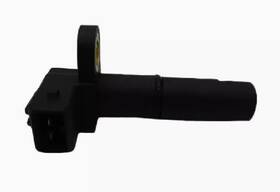
( Brand: Deutz ), ( Manufacturer Part Number: 01182850 ), ( Part Type: Box Excavator Sensor ), ( Item Condition: Brand New )
Review DEUTZ New In Box Excavator Speed Sensor
The **Deutz 01182850 Box Excavator Sensor** is a precision-engineered hydraulic sensor module designed specifically for modern Deutz-branded compact excavators, ensuring seamless integration with the machine s advanced control systems. This high-performance sensor plays a critical role in the excavator s hydraulic circuit, enabling real-time monitoring of pressure, flow, and system efficiency to optimize performance and extend operational longevity. Crafted with robust construction, the sensor features a durable metal housing and precision-machined internal components, making it resistant to harsh environmental conditions, including dust, debris, and temperature fluctuations commonly encountered in construction, mining, or landscaping applications. Its compact yet sturdy design allows for easy installation within the excavator s hydraulic box, where it interfaces directly with the pump, valves, and other hydraulic elements to provide accurate feedback to the machine s electronic control unit (ECU). By delivering precise hydraulic data, the sensor enhances the excavator s responsiveness, fuel efficiency, and overall operational reliability, reducing the risk of system failures or unexpected downtime. Whether deployed in tight urban job sites or rugged off-road terrain, this sensor ensures that the excavator operates at peak performance, delivering consistent power and control for demanding tasks such as digging, lifting, and material handling. Its compatibility with Deutz s hydraulic systems underscores its importance as a key component in maintaining the excavator s efficiency and longevity, making it an indispensable part of any professional s toolkit for heavy-duty earthmoving applications.
### **Pros and Cons of Buying a Deutz 01182850 Box Excavator Sensor**
The **Deutz 01182850** is a hydraulic sensor used in excavators to monitor oil pressure, temperature, and other critical parameters. Below is a detailed analysis of its advantages and disadvantages.
---
### **Pros**
1. **Enhanced Equipment Reliability**
The sensor ensures accurate monitoring of hydraulic system performance, reducing the risk of sudden failures. Proper pressure and temperature readings help prevent overheating, leaks, and pump damage, extending the excavator s operational lifespan.
2. **Improved Diagnostic Capabilities**
Modern excavators (especially those with telematics or diagnostic systems) rely on sensors like this to provide real-time data. This allows operators and technicians to detect issues early, reducing downtime and maintenance costs.
3. **Compatibility with Deutz Engines**
Since this sensor is designed for **Deutz engines** (common in excavators from brands like Liebherr, Komatsu, and others), it ensures seamless integration with the hydraulic system, minimizing compatibility issues.
4. **Cost-Effective Long-Term Solution**
While the sensor itself may have an upfront cost, its role in preventing major hydraulic failures can save thousands in repair expenses over time. Regular monitoring helps avoid catastrophic engine or pump damage.
5. **Regulatory and Safety Compliance**
Many industries (construction, mining, agriculture) require proper hydraulic monitoring for safety and efficiency. Using an OEM or high-quality aftermarket sensor ensures compliance with industry standards and reduces liability risks.
6. **Easier Maintenance Tracking**
With accurate sensor data, maintenance schedules can be optimized. Predictive maintenance (based on sensor readings) helps avoid unnecessary overhauls while ensuring critical components are serviced at the right time.
7. **Extended Warranty Coverage (If Applicable)**
Some excavator manufacturers or dealerships may require OEM sensors to maintain warranty coverage. Using a genuine or approved sensor can prevent voiding warranties on hydraulic systems.
---
### **Cons**
1. **Higher Initial Cost Compared to Generic Sensors**
OEM or high-quality aftermarket sensors like the **Deutz 01182850** are more expensive than generic or low-quality alternatives. This can be a barrier for budget-conscious buyers or small operators.
2. **Potential Counterfeit Risks**
The aftermarket for excavator sensors is flooded with counterfeit or low-quality replicas. Purchasing from untrusted suppliers may result in faulty sensors that fail prematurely, leading to more downtime and expenses.
3. **Complex Installation (If Not OEM)**
Replacing a sensor in an excavator requires technical knowledge and access to the hydraulic system. Non-OEM sensors may not fit perfectly, requiring modifications or professional installation, adding labor costs.
4. **Dependence on Diagnostic Systems**
If the excavator lacks a digital monitoring system, the sensor s benefits are limited. Without proper data logging or alerts, the sensor may not provide actionable insights, making it a less valuable investment.
5. **Sensor Lifespan and Wear**
Like all mechanical components, sensors degrade over time. While high-quality sensors last longer, they are not indestructible. Regular calibration and eventual replacement are necessary, adding to long-term costs.
6. **Potential for False Alarms**
If the sensor malfunctions (e.g., due to contamination or electrical issues), it may trigger false alerts, leading to unnecessary maintenance checks or operator confusion.
7. **Limited Availability of Parts**
Depending on the excavator s age or brand, finding genuine Deutz sensors may be difficult, especially in regions with limited aftermarket support. This could lead to delays in repairs.
---
### **Conclusion**
The **Deutz 01182850 box excavator sensor** is a **critical component for maintaining hydraulic system health** in excavators equipped with Deutz engines. Its primary benefits **improved reliability, early fault detection, and long-term cost savings** outweigh most drawbacks for operators who prioritize equipment longevity and efficiency.
However, the **higher upfront cost, potential counterfeit risks, and installation complexities** make it less ideal for operators with tight budgets or those who lack technical expertise. For **commercial or heavy-duty excavators**, the investment is justified. For **light-duty or short-term use**, a more affordable sensor or preventive maintenance strategy may suffice.
---
### **Recommendation**
1. **For Commercial/Heavy-Duty Excavators:**- **Purchase the genuine Deutz 01182850 sensor** (or an OEM-approved equivalent) from a **reputable dealer or authorized distributor** to avoid counterfeit parts.
- Ensure the excavator has a **diagnostic system** to fully utilize the sensor s data.
- Schedule **regular sensor calibration and hydraulic system checks** to maximize lifespan.
- Consider **extended warranty options** if available to cover sensor-related failures.
2. **For Light-Duty or Budget-Conscious Operators:**- If the excavator is **not heavily used**, a **high-quality aftermarket sensor** (from brands like **Bosch, Honeywell, or reputable hydraulic suppliers**) may offer a cost-effective alternative.
- Focus on **preventive maintenance** (oil changes, filter replacements) rather than relying solely on sensor data.
- If purchasing used equipment, **verify the sensor s condition** before buying to avoid unexpected failures.
3. **General Best Practices:**- **Buy from trusted suppliers** (avoid unknown online marketplaces to prevent counterfeit parts).
- **Check compatibility** with the excavator s make and model before purchasing.
- **Document sensor performance** over time to justify maintenance decisions.
- **Train operators** on interpreting sensor alerts to prevent misdiagnosis.
### **Final Verdict:**The **Deutz 01182850 sensor is a worthwhile investment for operators who depend on excavator reliability**, but it requires careful consideration of budget, equipment usage, and maintenance capabilities. For most commercial applications, the benefits far outweigh the costs.
Details:
part #: 01182850 prices
- $43.20-$49.00
specifications metaldetectacc:
- brand: Deutz
- mpn: 01182850
- part type: Box Excavator Sensor
- item condition: Brand New
seller metaldetectacc:
- city: Hebron, Kentucky
- rating: 97.9%
- # reviews: 210
returns metaldetectacc:
- policy: Returns Accepted
- paid by: Buyer
- method: Money back
- time: 14 Days
shipping metaldetectacc:
- type: Fixed
- carrier: USPS
- service: USPS Ground Advantage
- class: Standard
- transit: 7-11 Days
- cost: $0.00
general metaldetectacc:
- condition: New
- Test, Measurement Inspection > Test Meters Detectors > Metal Detector Accessories
payments metaldetectacc:
- credit card: Discover
- wallet: Apple-pay
- other
offer metaldetectacc:
- quantity: 2
- best offers: True
- options: Ship-to-home
- availability: In Stock
- started: March 12, 2026
- sold: 0